
Access to Knowledge in Africa: The Role of Copyright
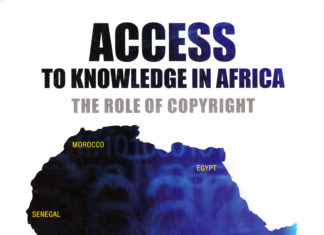
This 2010 edited volume, Access to Knowledge in Africa: The Role of Copyright, has chapters outlining the African Copyright and Access to Knowledge (ACA2K) network’s research findings on the copyright environments of eight African countries.
Science, Technology & Innovation and Intellectual Property
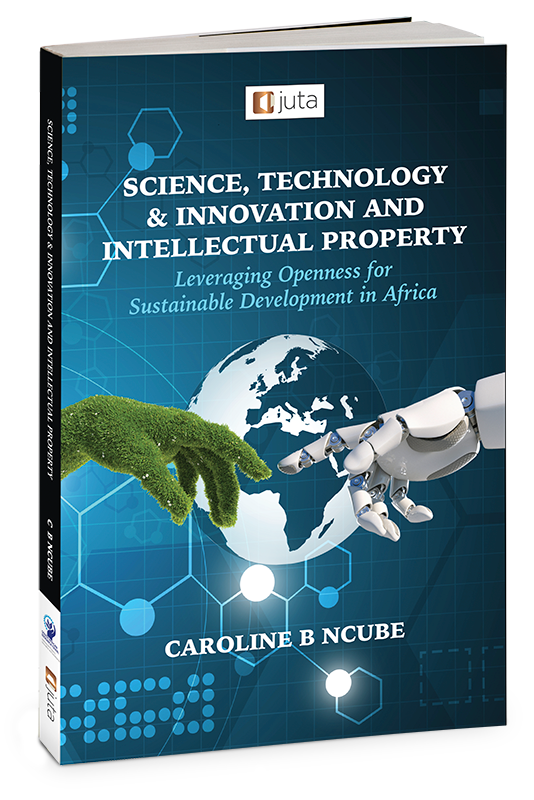
2020 was an eventful year for the whole world, as a public health and economic crisis raged, bringing to the fore the perennial challenge of how to craft and use Intellectual Property (IP) institutions, law, policies and practices, collectively ‘IP frameworks’ to add to efforts to achieve sustainable development, and to consider recovery paths for economies. This coincided with intensified efforts to boost intra-African trade and enhance regional integration through the Agreement on the African Continental Free Trade Area (AfCFTA)and the entry of the US into negotiations for a bilateral FTA with Kenya. This book engages with this challenge in its six chapters.
ICT strategy development: from design to implementation case of Egypt
ICT strategy development from start to finish, from design to implementation should cater to the different needs of the community whether it is societal, economic, business and political with an aim to realize universal access to optimize the impact in terms of scalability and sustainability.
Cyber Law in Kenya

Isaac Rutenberg’s publication co-authored with Michael Murungi, Cyber Law in Kenya (2nd edition), was published in March 2019. This book is a practical guide...
Chapitre 2: Cadres d’analyse de l’innovation africaine : l’entrepreneuriat, l’économie informelle...

Jeremy de Beer, Izabella Sowa et Kristen HolmanDate de publication: septembre 2017Télécharger: Chapitre 2: Cadres d’analyse de l’innovation africaine : l’entrepreneuriat, l’économie informelle et...
Genetic Resources, Justice and Reconciliation: Canada and Global Access and Benefit...
Edited by: Chidi Oguamanam. When the oral history of a medicinal plant as a genetic resource is used to develop a blockbuster drug, how is the contribution of Indigenous Peoples recognized in research and commercialization? What other ethical, legal, and policy issues come into play? Is it accurate for countries to self-identify as users or providers of genetic resources?
Leap 4.0 – African Perspectives on the Fourth Industrial Revolution
The 4IR is well established in many parts of the world, with technological advances driving profound social and economic change. However, for many developing countries, particularly countries in Africa, the 4IR may not offer the anticipated 'leap' forward.
This book seeks to identify the challenges and opportunities the 4IR presents to South Africa and the rest of the African continent, especially to workers and marginalised sectors of society.
The Cambridge Handbook of Copyright in Street Art and Graffiti

Tobias Schonwetter and Bram van Wiele contributed a chapter in The Cambridge Handbook of Copyright in Street Art and Graffiti, examining how South African...
Human Rights, Digital Society and the Law

This book explores the main fundamental issues and practical dimensions related to the safeguarding of human rights in the internet, which are at the focus of current academic debates.
Inclusive Trade in Africa: The African Continental Free Trade Area in...

Four Open AIR Steering Committee members from two different hubs, authored a chapter on the new African Continetal Free Trade Area.