
Access to Knowledge in Africa: The Role of Copyright
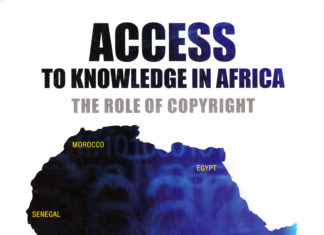
This 2010 edited volume, Access to Knowledge in Africa: The Role of Copyright, has chapters outlining the African Copyright and Access to Knowledge (ACA2K) network’s research findings on the copyright environments of eight African countries.
Professor Carys Craig Infuses the Open Access Movement with Feminism at...
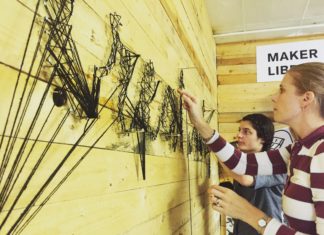
Is intellectual property (IP) gender neutral? No. Neither is the dominant discourse on innovation. Recognizing this bias is the first step toward remedying it.
L’accès au savoir en Afrique : le rôle du droit d’auteur

Ce livre, publié en 2011, permet de mieux saisir les enjeux juridiques et pratiques que posent les droits d’auteur pour l’accès au matériel didactique en Afrique et cerne les leçons apprises, les politiques et les pratiques susceptibles d’améliorer cet accès.
Open Call for Case Studies

Open AIR is calling for African case studies that shed light on the following two overarching research questions:
How can open collaborative innovation help businesses scale up and seize the new opportunities of a global knowledge economy?
Which knowledge governance systems will best ensure that the social and economic benefits of innovation are shared inclusively across society as a whole?
AFCTFA: A Potential Boost for African Economies
By Eslam Shaaban
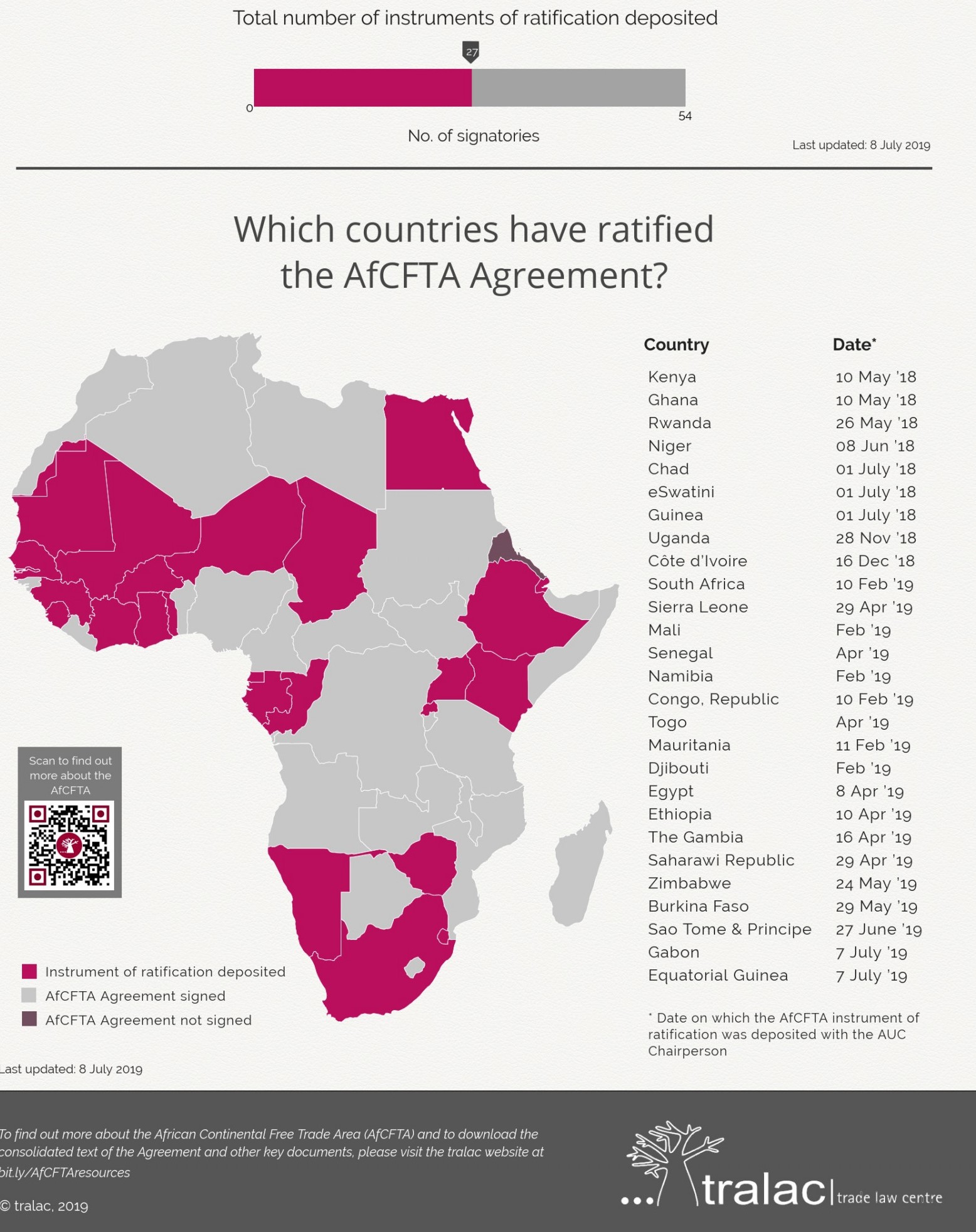
In March 2018, the African Continent Free Trade Agreement (AFCFTA) was unveiled as the world’s largest free trade area since the creation...
Chapitre 16 : La propriété intellectuelle collaborative à l’heure actuelle en...

Jeremy de Beer, Chris Armstrong, Chidi Oguamanam et Tobias Schonwetter Date de publication : septembre 2017 Télécharger: Chapitre 16 : La propriété intellectuelle...
Reconciling Copyright with Creativity: New Insights from 2018 Conferences (Part I)

By Helen Chuma-Okoro and Nicole Tumaine
Access to knowledge (A2K) is necessary to further innovation and creativity. Due to the exclusive nature of...
Common Misconceptions of Patents in Egypt

Earlier this year, the World Intellectual Property Organization (WIPO) held a two-day workshop on “Supporting Small and Medium-Sized Enterprises Use the Intellectual Property System in Their Competitive Strategy” at the Academy of Scientific Research and Technology in Cairo, Egypt, which some of our Open AIR NERG members attended. The goal of this meeting was to discuss how to encourage young innovators to protect their inventions by patenting them at the Egyptian Patent Office. The workshop had vibrant and sometimes heated discussions between these innovators and government officials regarding many of the obstacles faced in the patenting process in Egypt.
The Many Faces of Scholarly Communications
By Nagham El Houssamy
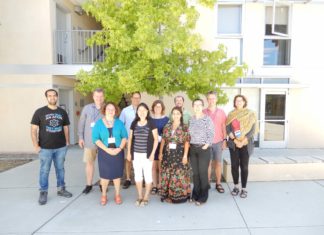
The FORCE11 Scholarly Communications Institute was held at the University of California San Diego from 31 July until 4 August 2017....
WIPO Special Committee on Genetic Resources, Traditional Knowledge, and Traditional...
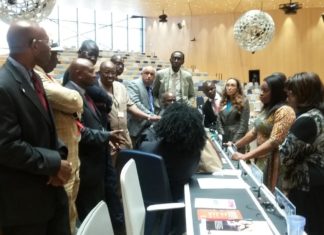
The World Intellectual Property Organization’s specialist committee charged with negotiating text-based instrument(s) for the effective protection of Genetic Resources (GRs), Traditional Knowledge (TK), and Traditional Cultural Expressions (TCEs), on Friday June 16 2017 concluded its 34th session with partial agreement on its mandate and on the fate of the committee and its work program.